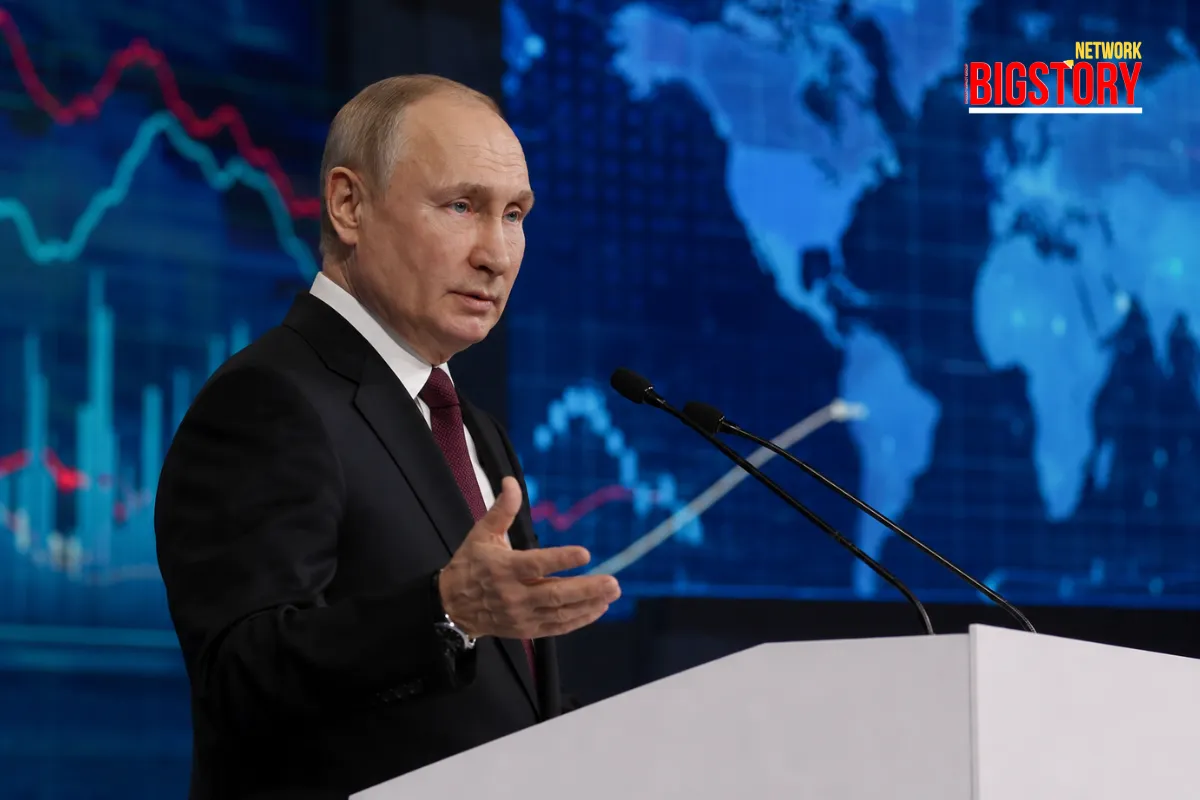
Speaking at the flagship St. Petersburg International Economic Forum, the Russian leader highlights India's world-renowned tech human capital to project a structural realignment of global trade.
 Sseema Giill
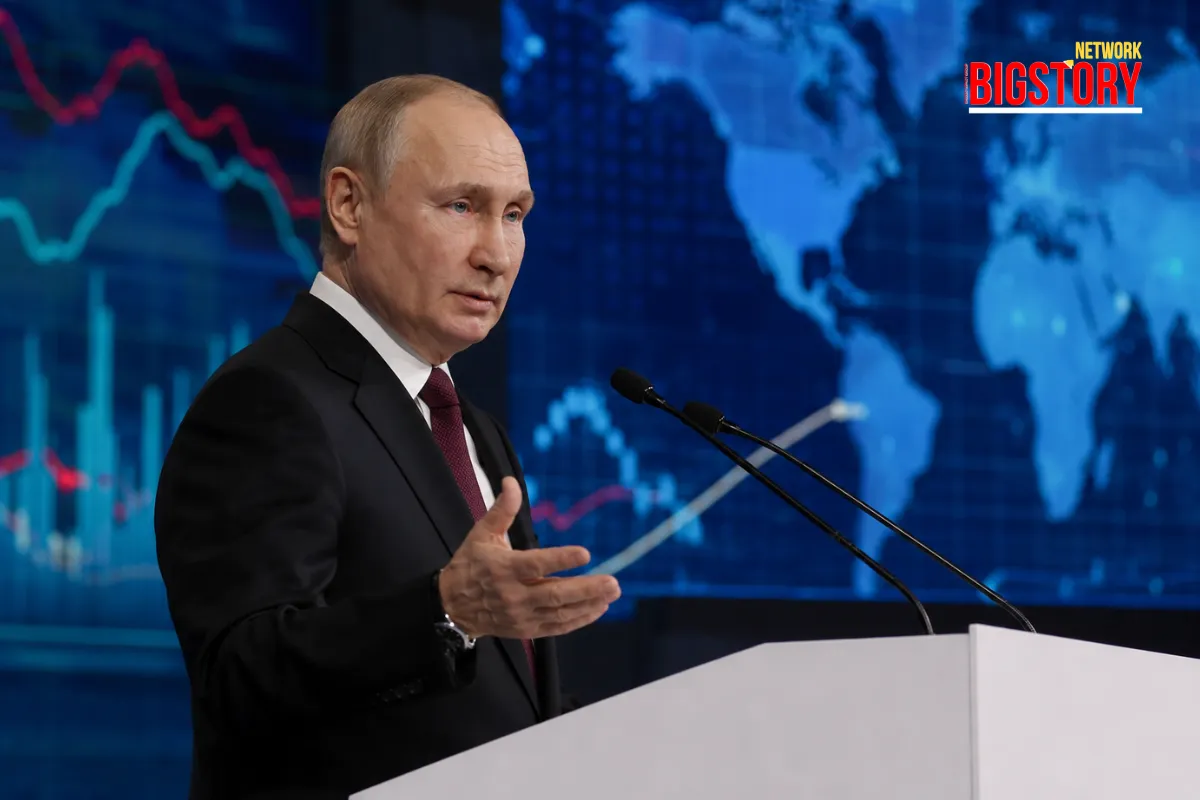
• What happened: Russian President Vladimir Putin heavily praised India's technological prowess and global IT dominance during a plenary address at the St. Petersburg International Economic Forum (SPIEF) on Friday, June 5, 2026.
• Why it matters: Putin highlighted the "brotherly," trust-based relationship between Moscow and New Delhi, singling out the worldwide renown achieved by Indian talent and software coders.
• The strategic play: The Russian leader used the global platform to declare that the expanded BRICS bloc—currently chaired by India—has officially eclipsed the Western G7 nations in economic volume.
• Global impact: By demonstrating that BRICS now commands 40% of global GDP based on purchasing power parity, Moscow is arguing that unilateral Western sanctions have failed to cripple its economy.
• The deciding question: As BRICS economies project over 4% annual growth compared to a sluggish 1.1% for the G7, can the West find a viable mechanism to regain structural influence across the Global South?
Russian President Vladimir Putin has delivered high praise for India’s technological prowess and economic trajectory. Speaking at the plenary session of the St. Petersburg International Economic Forum (SPIEF) on Friday, June 5, 2026, Putin lauded India as "one of the leading players in the IT industry" and emphasized the deep strategic and cultural ties tying Moscow to New Delhi.
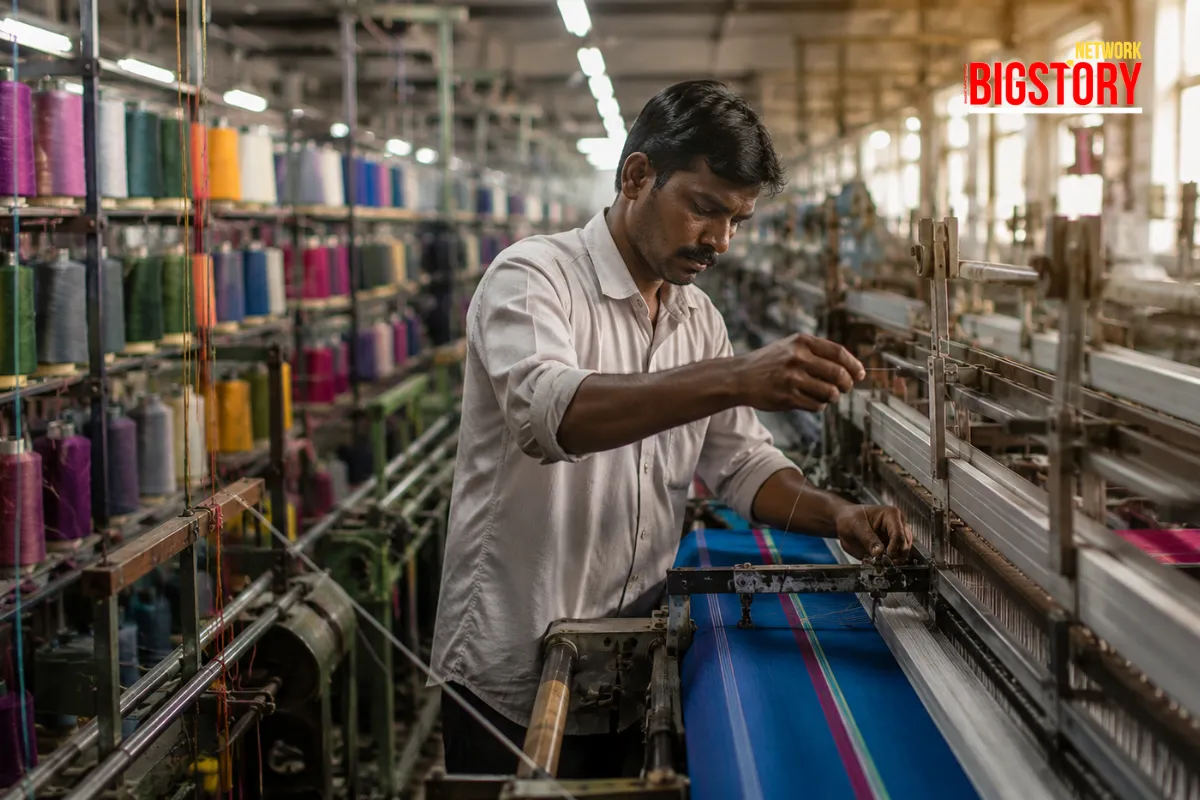
Addressing international delegates and foreign media editors, the Russian President highlighted India’s immense, structural contribution to the global software ecosystem. "India, which is one of our key partners, is among the leading players in the IT industry," Putin stated, placing special emphasis on India's human capital and high educational standards. "We know how talented the Indian people are, how well-educated and competent they are. They have achieved worldwide renown, especially in coding."
Reinforcing the historical alignment between the two nations, Putin described the India-Russia partnership as being built on "very good, trust-based, brotherly relations in all senses of the word"—a diplomatic bond that has successfully endured for decades.
Beyond bilateral endorsements, Putin used the forum to project a permanent shift in the global balance of economic power, heavily championing the expanded BRICS bloc, which India currently chairs in 2026.
The Russian President declared that the BRICS nations have firmly overtaken the Western Group of Seven (G7) in sheer economic scale. According to metrics presented at the forum, BRICS now accounts for 40% of the world’s gross domestic product (GDP) based on purchasing power parity (PPP), while the G7's share has dropped below 29%.
Highlighting the structural momentum of the Global South, Putin noted that BRICS countries contributed nearly half (49%) of total global economic growth over the trailing five years. Looking at forward-looking indicators, he projected that BRICS economies will expand at an average rate of over 4% annually, contrasting sharply against a sluggish 1.1% growth projection for the G7 nations.
While mainstream media will parse these statements as standard diplomatic pleasantries, the "Missed Angle" here is the calculated, strategic timing of Putin’s glowing endorsement.
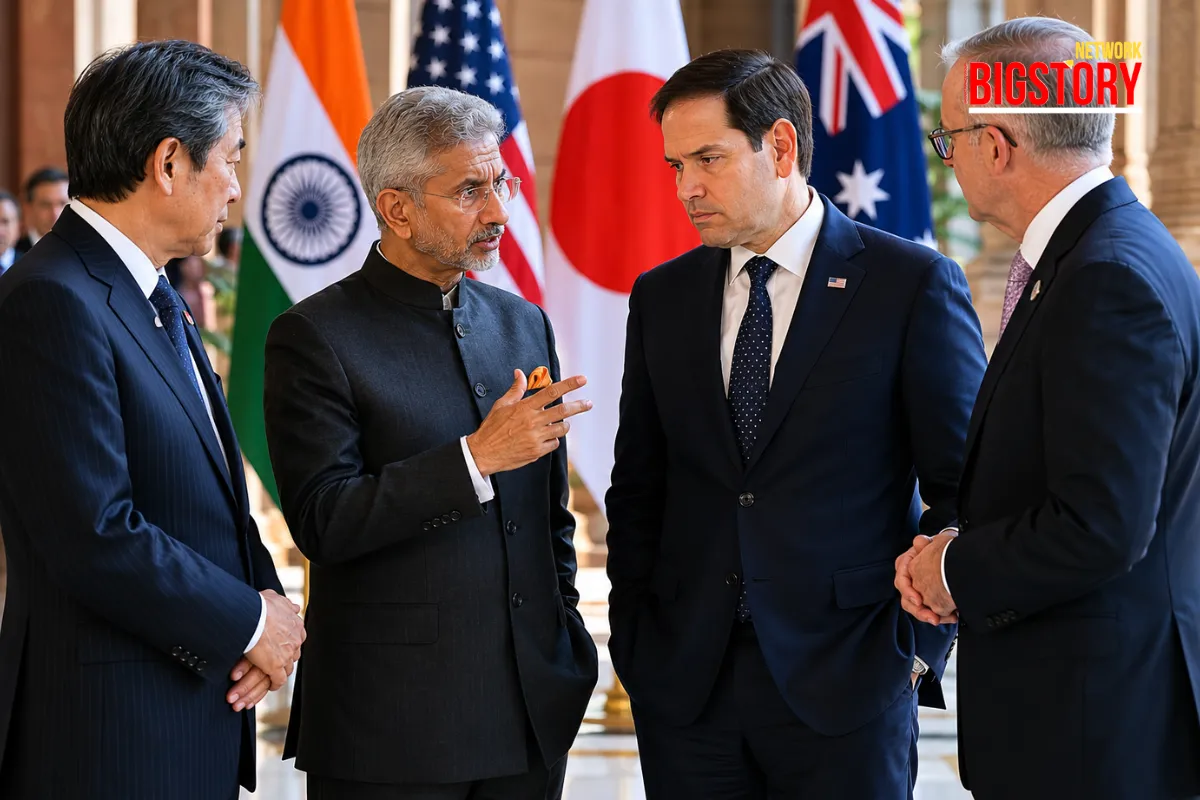
By heavily praising Prime Minister Narendra Modi's leadership and highlighting India's unwavering "strategic autonomy," Putin is subtly firing back at Washington. Just days prior to this address, the Russian leader openly dismissed Western attempts to pressure India into scaling back its deep energy and trade cooperation with Moscow as completely "useless."
By showcasing India as an unstoppable, independent economic juggernaut that consistently refuses to bow to foreign "diktats," Putin is utilizing New Delhi's success to validate a broader Kremlin narrative. He is signaling that the Western-led financial hierarchy is crumbling, and that unilateral sanctions are entirely failing to isolate Moscow from the real, multi-polar engines of 21st-century economic growth.
• St. Petersburg International Economic Forum: Official Plenary Archives and President's Transcript Database
• Ministry of External Affairs (MEA India): Bilateral Briefings and BRICS 2026 Summit Frameworks
• The Hindu: International Geopolitics, SPIEF Ground Reports, and Global Trade Bureau
• The Economic Times: Global Economy, BRICS GDP Growth, and Sanctions Impact Tracker
 Exclusive Content


Sign up for the Daily newsletter to get your biggest stories, handpicked for you each day.

 Trending Now! in last 24hrs